

If you’ve ever stood in a showroom, and admired the look of interior shutters, you’re not alone. These window coverings are turning up in homes across the UK – and not just for their looks.
But how do window shutters work, exactly? What’s going on behind those tidy slats and strong frames? And why do so many people choose them over curtains or blinds?
This article explains how shutters function, what makes them different, and what you should consider before fitting them in your own home.
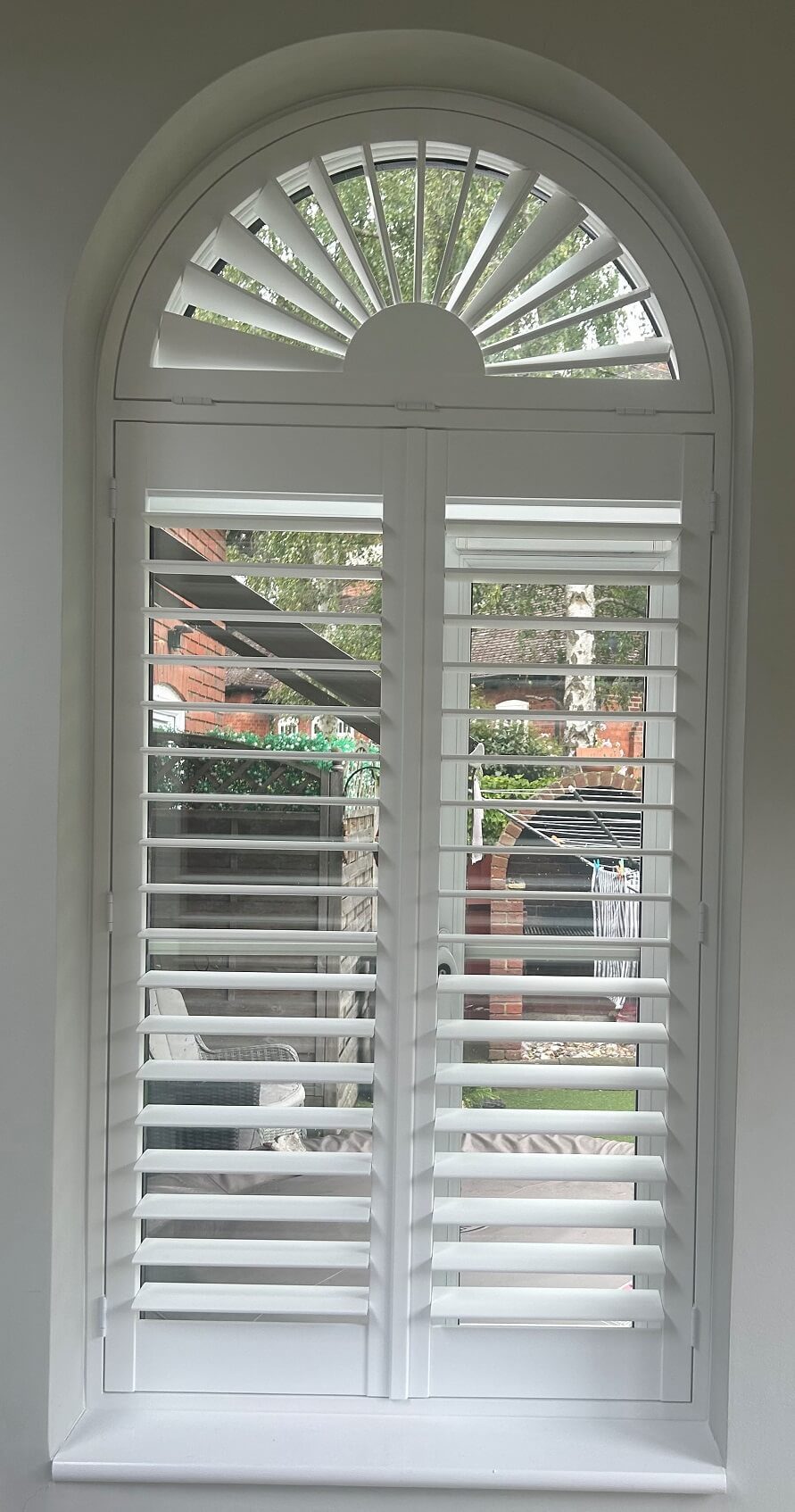
At their core, shutters are rigid panels that sit inside or outside the window frame. Most people in the UK choose interior plantation shutters, which are made from wood or composite materials and fitted to the inside of the window recess.
These shutters are usually made up of:
They’re hinged like cupboard doors, so you can swing them open, while the slats rotate to control light and airflow.
We can break it down into two simple parts:
The full shutter panels can open outwards (or sometimes inwards, depending on the design), just like a door. This gives you full access to the window – for cleaning, opening the glass, or just letting in lots of light.
When closed, they act as a barrier over the window for privacy, insulation, and noise reduction.
The slats – or louvres – are the clever bit. You can tilt them using either a central tilt rod (a vertical bar down the middle), or a hidden mechanism inside the frame which gives a cleaner look.
This lets you angle the light exactly how you want it. Tilt up for privacy, down for sunlight, or shut them tight to block out glare or heat.
Absolutely. That’s one of the main reasons they’re so popular.
Light control: Unlike roller blinds or curtains that are either open or closed, shutters let you fine-tune the angle of incoming light throughout the day.
Heat reduction: On hot summer days, tilting the slats reduces heat without darkening the room completely.
Insulation: In winter, closed shutters act like a second layer of glazing, helping to trap warm air inside.
They’re especially useful in rooms that face the sun for long parts of the day, like south-facing kitchens or conservatories.
One of the biggest advantages of shutters is you can control visibility from outside without living in the dark.
You can tilt the slats so people can’t see in from the street – but you can still let natural light through. They are perfect for bathrooms, bedrooms, or living rooms that face the street.
Much easier than curtains or fabric blinds.
Just wipe them down with a cloth or use a duster between the slats. No trips to the dry cleaner or vacuum attachments needed.
That makes them ideal for allergy sufferers too, since they don’t trap dust and pollen in the same way as fabric.
Almost all window shapes can work with shutters – including bays, arches, and even small bathroom windows.
They’re custom-made to fit your window shape, so they sit flush and don’t rattle or flap like cheaper alternatives.
Once fitted, the shutters are mounted securely inside the window frame. The panels stay shut unless you physically open them, and the slats hold their position when tilted.
There are no cords to pull or springs to break – everything is manual and solid. That’s a big plus for households with children or pets.
Window shutters work by opening like a door, the slats tilt to control light, and they do it all while looking smart and neat.
They’re not just about style – they are extremely practical for everyday use. From blocking heat in summer to keeping warmth in during winter, and from stopping nosey neighbours to helping you sleep in on Sunday, shutters are a smart choice.
And once they’re in, you’ll wonder how you ever lived without them.

Kevin Addington founded Diamond Window Shutters in 2008. The company is a leading provider of custom-made shutters in the Southeast. Diamond Shutters deliver high-quality and practical window treatment solutions that improve the look and functionality of businesses and homes. There’s a shutter style for every type of home, from period homes to modern flats.
With two decades of experience in the bespoke joinery sector, Kevin Addington has a reputation for distinction in craftsmanship and consumer satisfaction. The Diamond Shutters team manage the entire shutter fitting procedure from initial consultation to installation.
The company is committed to sustainability and uses eco-friendly materials to save on energy bills and support the environment.